AI-Powered Radiology QA: How 5C is Setting a New Standard for Diagnostic Accuracy
What Are the Hidden Challenges in Radiology QA
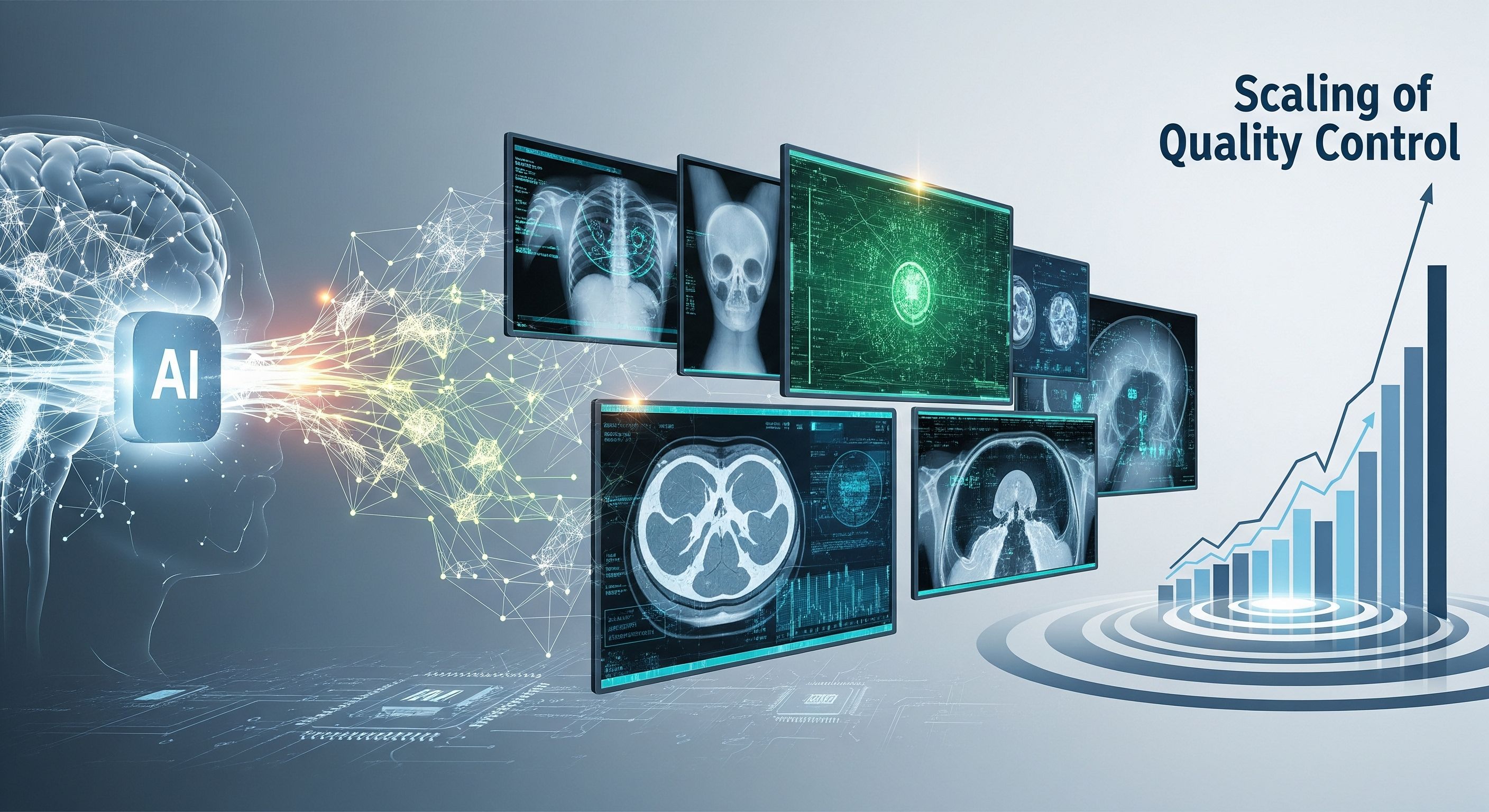
Radiology forms the core of modern diagnostics, yet it faces an overwhelming challenge—massive imaging volumes and limited quality control. In large centers, radiologists interpret between 3,000 and 5,000 scans daily, but traditional QA processes can manually review only about 5% of reports. That means 95% of reports go unchecked, leaving room for errors, inconsistencies, or incomplete findings.
Even the most skilled radiologists are not immune to fatigue. After hours of continuous reporting, subtle contradictions—such as labeling a lesion both solid and cystic—can slip through. Manual peer reviews also vary widely between reviewers, making quality assurance inconsistent and unsustainable at scale.
This growing gap between diagnostic demand and QA capability directly impacts patient safety, report reliability, and clinician trust.
How Does 5C’s AI-Powered QA Redefine Diagnostic Precision
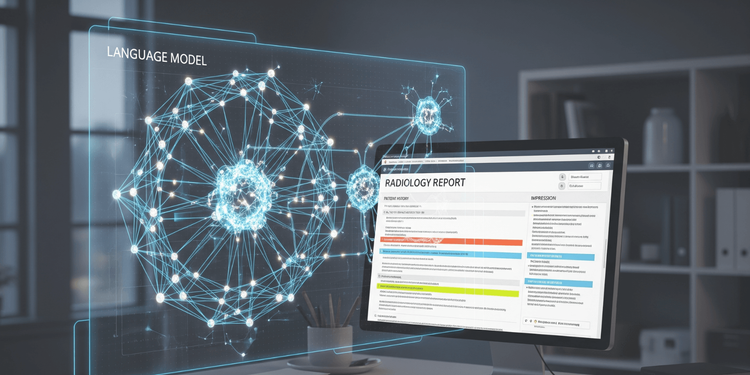
5C’s AI-powered QA platform eliminates these inefficiencies by using advanced large language models (LLMs) and radiology-trained QA agents to automatically review every single report. The system understands medical context, clinical language, and reporting logic—catching contradictions, missing findings, and vague statements before reports are finalized.
Unlike traditional audits that occur after submission, 5C’s solution operates in real time, allowing radiologists to correct issues instantly. The result is a seamless blend of speed, accuracy, and quality control—without adding to the radiologist’s workload.
How 5C’s Intelligent QA System Works
At the heart of 5C’s technology is AI that thinks like a radiologist. It reviews reports holistically, identifies inconsistencies, and evaluates both structure and content.
The platform uses smart parsing powered by LLMs to detect contradictory statements, unclear descriptions, or unanswered clinical questions. When it identifies a potentially high-risk finding—such as a suspicious lesion or acute pathology—it immediately flags it for expert review. Minor inconsistencies are queued for batch review to keep workflows uninterrupted.
Each report is also evaluated across four key quality metrics: completeness, accuracy, clarity, and clinical relevance. This approach ensures every report covers the required anatomy, maintains logical consistency, communicates findings clearly, and directly answers the referring physician’s question.
An integrated anatomical checklist system further verifies that critical regions are addressed based on the exam type. For instance, a CT Chest report must include lungs, mediastinum, and pleura, while a brain MRI should document ventricles, parenchyma, and midline structures.
What Are the Real-World Results of AI QA
When tested across more than 100,000 radiology reports, 5C’s AI-powered QA delivered measurable improvements in diagnostic integrity.
Nearly 23% of reports contained at least one issue requiring attention, while 8% had internal contradictions and 12% missed essential anatomical coverage. About 7% showed measurement discrepancies, all detected automatically by the system.
With a low 15% false-positive rate, 5C’s QA platform ensures radiologists focus only on genuine issues, not noise. These insights translate into higher-quality reports, faster turnaround, and stronger clinician confidence.
Why 5C’s QA Revolution Matters
For radiologists, 5C’s AI means freedom from tedious proofreading and constant cross-checking. Real-time feedback improves accuracy, consistency, and efficiency without increasing cognitive load. Healthcare systems benefit from full-scale QA coverage, enabling them to meet rising imaging demands without expanding staff or compromising quality.
Most importantly, patients gain the ultimate assurance—every report that informs their care is verified for accuracy, completeness, and clarity. This leads to faster diagnoses, reduced errors, and improved outcomes.
How Does 5C Go Beyond Error Detection
What sets 5C apart is its forward-looking capability. The system doesn’t just find mistakes; it learns from them. By analyzing patterns related to exam complexity, radiologist workload, and patient history, it predicts where errors are most likely to occur and proactively alerts radiologists before final submission.
As it evolves, 5C’s platform will integrate seamlessly with imaging AI tools to create a closed-loop ecosystem—where image interpretation and report verification work hand in hand. Department-level analytics will also provide insights into workflow efficiency and training needs, enabling continuous performance improvement across entire radiology networks.
Why 5C Leads in AI Radiology QA
5C’s AI-powered QA system is not a generic software add-on—it’s a purpose-built solution designed for radiologists, by radiologists. Every feature reflects the realities of high-volume diagnostic practice. It scales effortlessly, adapts to reporting styles, and continuously learns from real-world data.
This unique architecture ensures:
- 100% report coverage versus 5% in manual QA
- Real-time validation powered by medical LLMs
- Automated flagging and contextual escalation
- Proven accuracy in enterprise-scale radiology networks
With 5C, quality assurance becomes an invisible but powerful force—always active, always learning, always improving.
Transforming the Future of Diagnostic Excellence
The era of manual sampling-based QA is ending. As imaging volumes continue to rise, AI-driven QA systems are no longer optional—they’re the foundation for sustainable, high-quality radiology.
5C’s intelligent QA platform empowers radiologists to focus on what truly matters: clinical interpretation and patient care. It delivers complete quality oversight, enhanced diagnostic confidence, and measurable efficiency gains—all while safeguarding the integrity of every report.
What is AI-powered radiology QA
AI-powered radiology QA uses large language models to automatically review every radiology report for errors, contradictions, and missing information. Unlike manual QA that checks only 5% of reports, AI systems like 5C review 100% of reports in real-time, catching issues before finalization. The system detects contradictory statements, unclear descriptions, missing anatomical coverage, and measurement discrepancies without adding radiologist workload.
Can AI QA handle high-volume radiology centers
Yes, 5C's AI QA is specifically designed for high-volume centers processing 3,000-5,000 scans daily. The system scales effortlessly and reviews every single report in real-time, providing instant feedback without workflow interruption. It adapts to different reporting styles and continuously learns from data, making it ideal for enterprise-scale radiology networks that need consistent quality across all cases.
Discover how 5C’s AI-powered QA platform is transforming radiology—one report at a time.
Experience the difference that precision automation can make.
Want to take your radiology QA to the next level? Explore how 5C’s technology can supercharge your quality oversight. Visit now to learn more and start revolutionizing your radiology program today.