Blog
Discover stories, research, and innovations redefining radiology—from AI advancements to practical insights that impact real-world care.
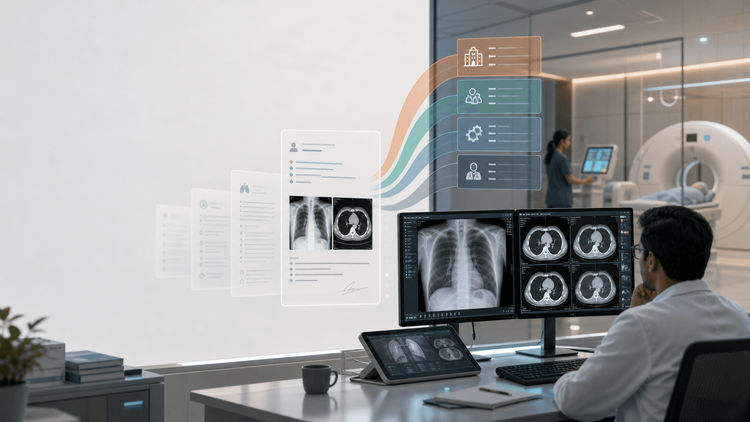
Your Reporting Preferences Should Travel With Every Case
Hospital reporting preferences should live inside the case.
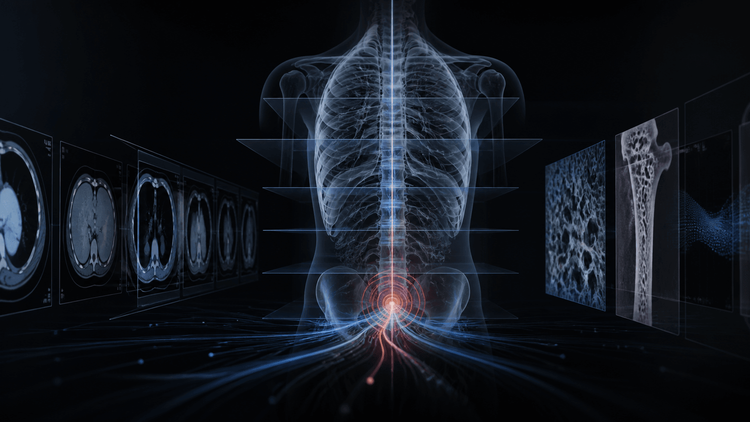
The Scan Is Not the Intervention
Why opportunistic imaging needs closed-loop care.

5C Is Building the Trust System for Radiology AI
Radiology AI needs trust infrastructure, not just more models.

The New Radiologist AI Is Creating
AI is creating a more clinical, connected radiologist.

MIT AI20, AI50, and the Responsibility of Building for India
Recognition matters only if it sharpens the work ahead.

What Is New at 5C: Radiology AI Is Becoming Operating Infrastructure
New at 5C: AI radiology is moving into daily clinical operations.
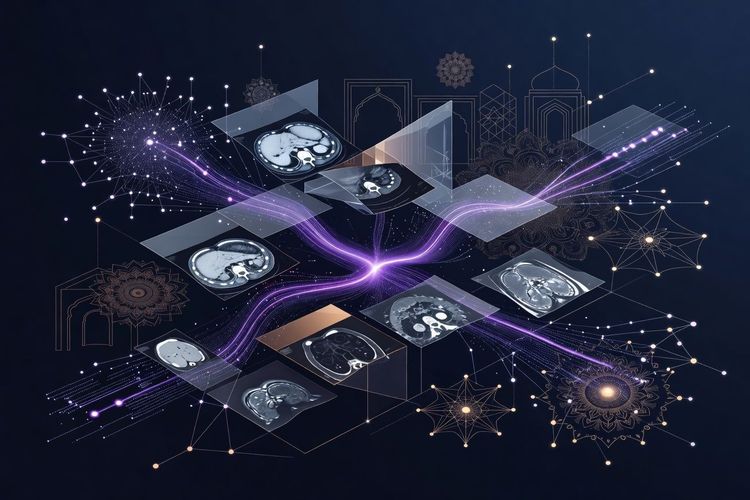
The Hard Truth About AI Radiology Tools in India: Why Most Fail at Scale
Most AI radiology tools fail at Indian scale. Here is why.

Beyond the List: What It Actually Takes to Build Production AI in Indian Healthcare
Real impact comes from solving India’s radiology access crisis at scale.
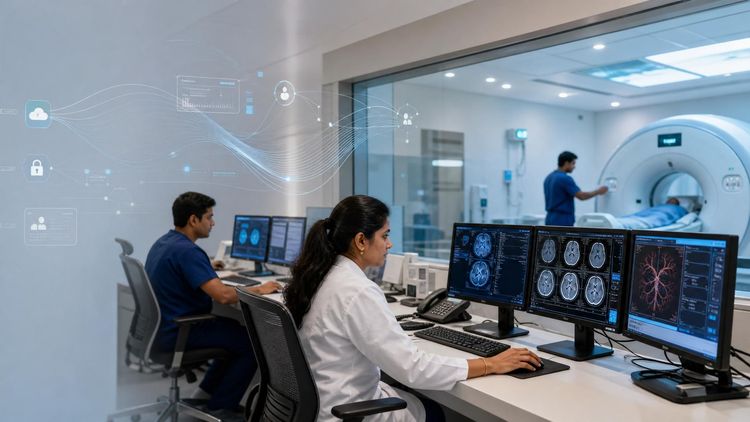
How to Set Up a Diagnostic Center or Hospital Radiology Department
Build radiology around outcomes, not just machines.
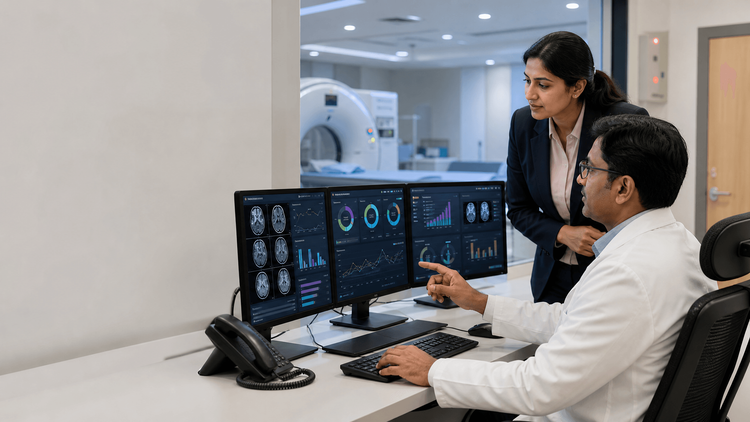
Beyond TAT: The Reliability Metrics Every Hospital Should Demand From Radiology
Hospitals need diagnostic reliability, not just faster reports.
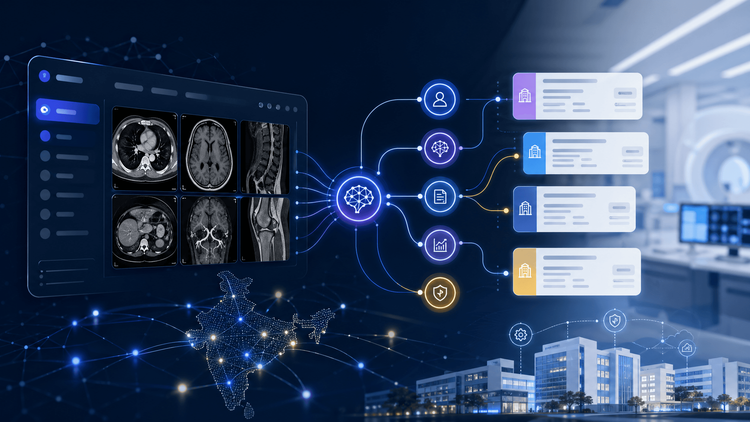
How 5C Uses AI to Personalize Onboarding and Reporting for Every Client
AI-personalized onboarding and reporting for every client.
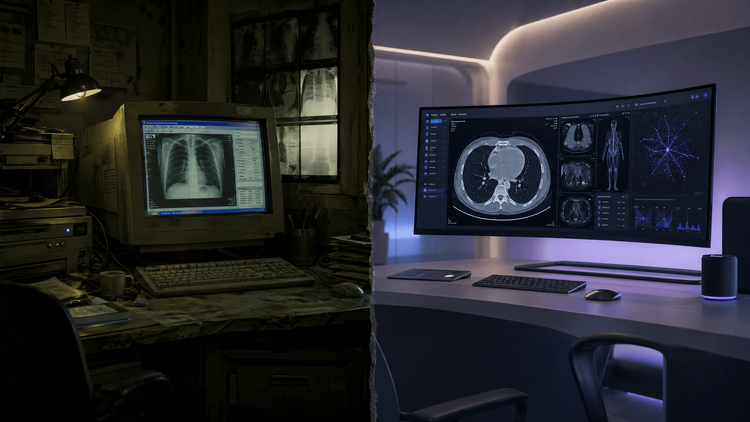
Most RIS and PACS Companies Are Selling You Software From 2010 (And They Don't Even Know It)
The dirty secret of medical imaging: your system is older than you think

Hospitals Should Stop Buying Radiology Software That Only Increases Cost
Hospitals should buy better radiology outcomes, not more software.
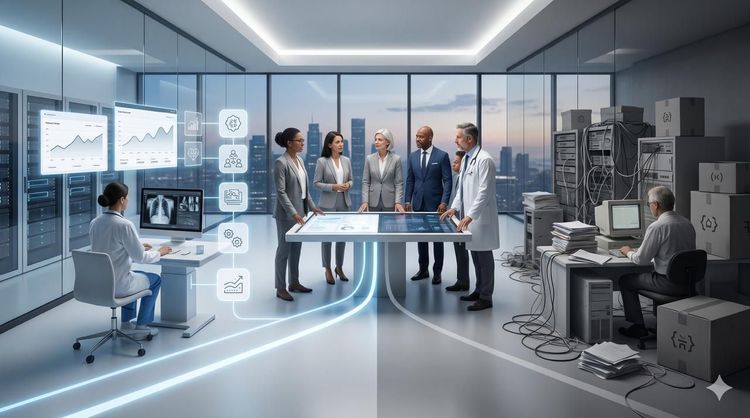
Hospitals Should Choose AI-First Vendors, Not Vendors AI Will Replace
Choose vendors that get stronger as AI gets better.

Why AI Makes Great Radiologists More Valuable, Not Less
AI raises the value of elite radiologists and compresses average work.

How to Choose a Teleradiology Partner: The Complete RFP Guide
Six questions to ask before signing. Free RFP template.

The Paradox of AI Productivity: Why Faster Radiologists Need More Protection, Not Less
5x productivity means 5x cognitive load. Protection matters.

Scaling Radiology: The Infrastructure Behind 12,000+ Scans
How one hospital processed 12,536 scans in 30 days without adding headcount.
Agentic Software and the Power of Outcomes as a Service
How agentic AI shifts healthcare from tools to outcomes.

Platforms Will Win Against Point Solutions in Radiology
Why integrated platforms are replacing fragmented point solutions in radiology.
Towards Long Horizon Radiology Agents
From CNNs to transformers: how AI architectures are evolving in radiology.

Digital Radiology: How Technology is Transforming Medical Imaging
Digital radiology boom: AI, cloud, internet make diagnosis fast, efficient.
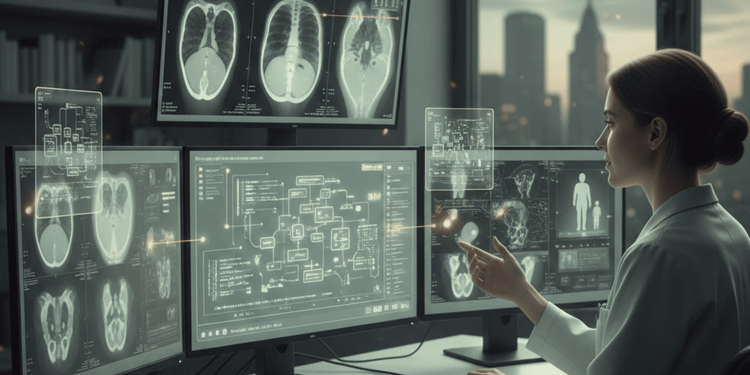
AI in Medical Imaging: Building the Calculator for Radiologists
AI automates routine scans, freeing radiologists for complex diagnosis.

Insights About Your Insides: Redefining Radiology
AI powers 5C Network: fast, accurate radiology bridging the global access gap.
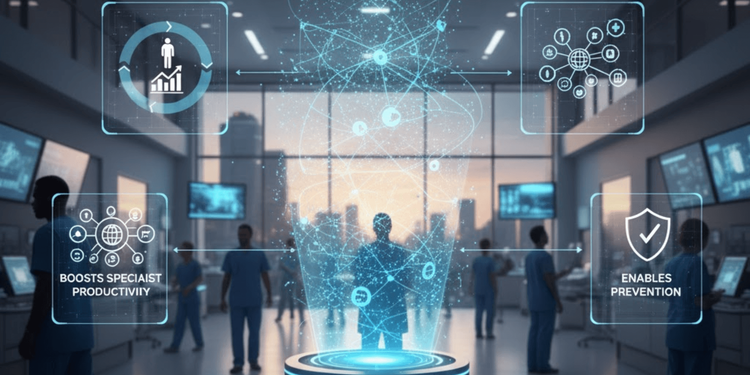
The Economics of Wellness: Accelerating Innovation in Hospital Ecosystems
AI cures cost disease, boosting health, productivity, and the economy.
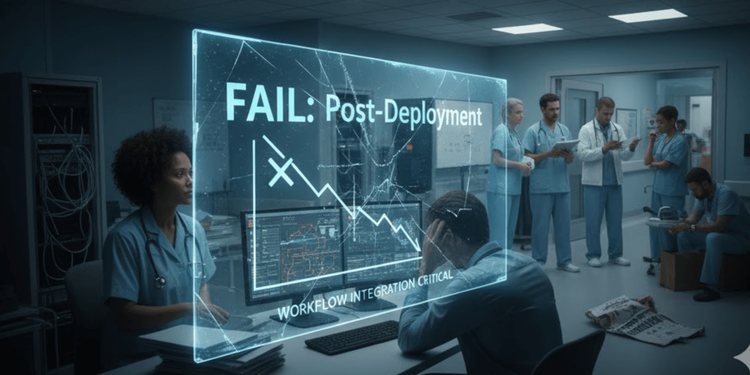
Why Do Most Radiology AI Startups Fail After Deployment
Radiology AI adoption needs workflow integration to succeed.
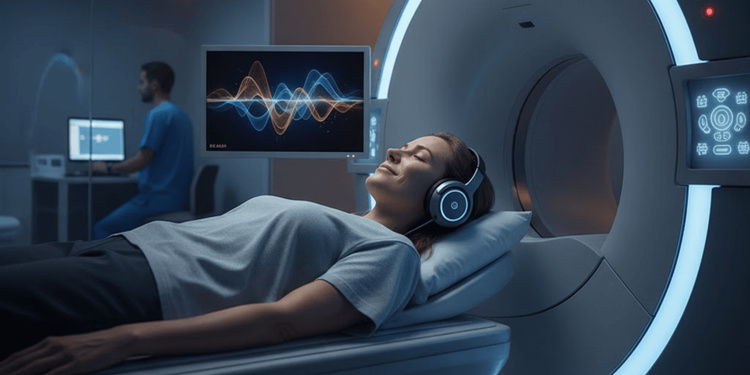
How Music Therapy Improves Radiology Patient Experience
Music therapy reduces sedation 50%, lowering anxiety.

Why Healthcare Facilities Are Choosing Teleradiology Services
Teleradiology offers 24/7 coverage, fast TAT, lower costs.
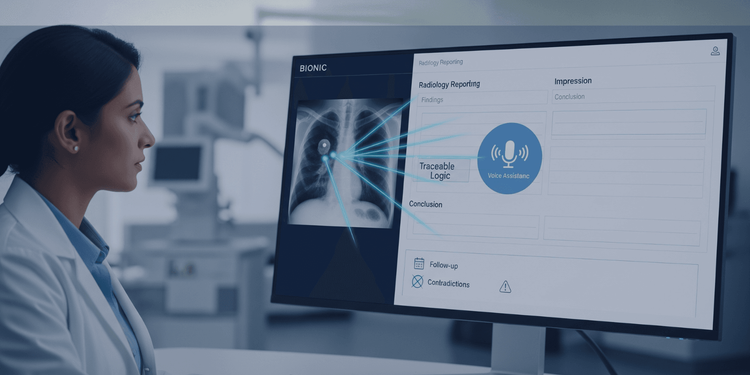
How AI-Powered Speech Recognition Transforms Radiology Reporting
AI speech recognition speeds radiology reporting 4X.

How Teleradiology Enables Expert Second Opinions in Radiology
Teleradiology provides 24/7 expert second opinions.

What Is Digital Diagnostics Delivery and How Does It Differ from Teleradiology
Digital diagnostics optimizes workflow; teleradiology interprets.

How AI-Powered Key Images in Radiology Reports Increase Revenue
Key radiology images boost accuracy, referrals, and revenue.
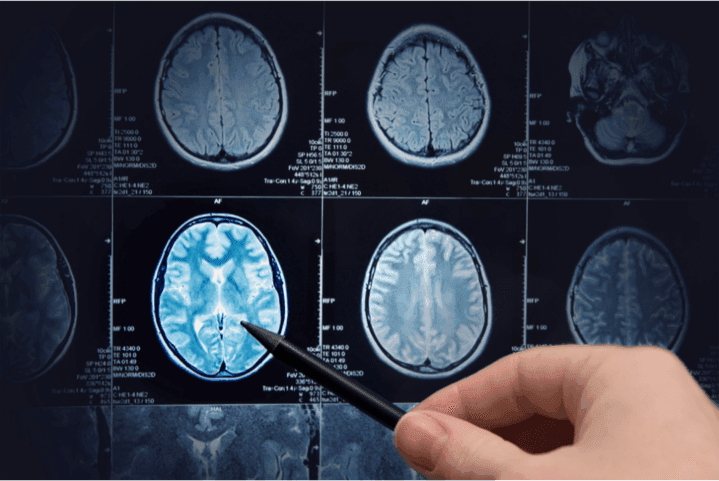
How 5C Network has Built the Future of Radiology Reporting
Bionic Report AI cuts workload; solves India's radiologist gap.
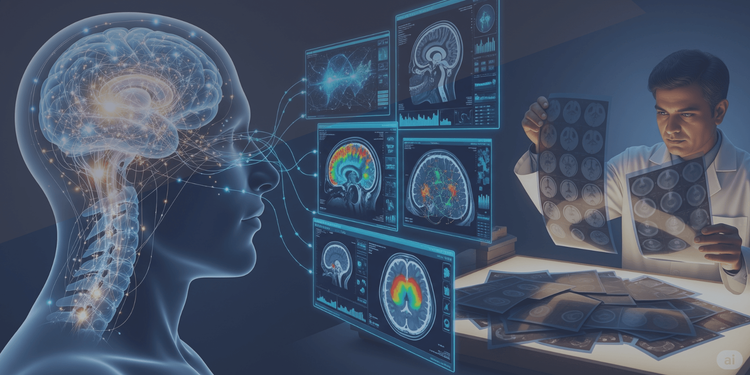
How Does AI-Enabled Teleradiology Work
AI teleradiology speeds reporting, improves care and workflow.
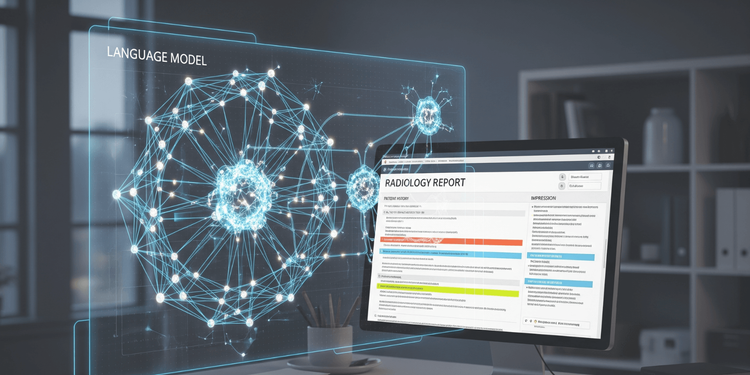
AI-Powered Radiology QA: How 5C is Setting a New Standard for Diagnostic Accuracy
5C AI QA finds report errors, improves diagnostic accuracy.
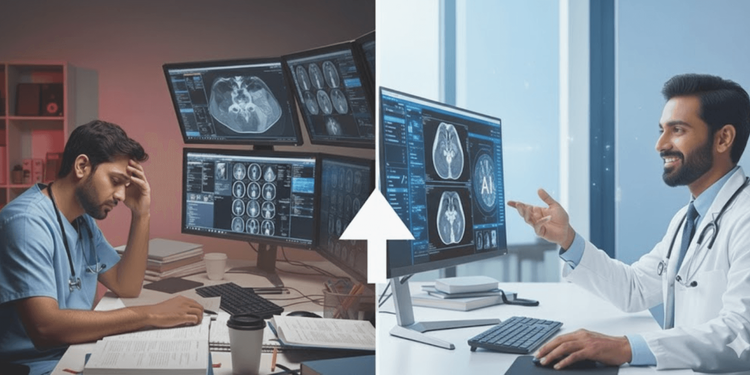
How Bionic AI Reduces Radiologist Burnout and Restores Job Satisfaction
Bionic AI automates tasks; reduces radiologist burnout.

Is an AI-Native RIS Better Than Traditional Radiology Information Systems
5C AI replaces legacy RIS with faster, better architecture.
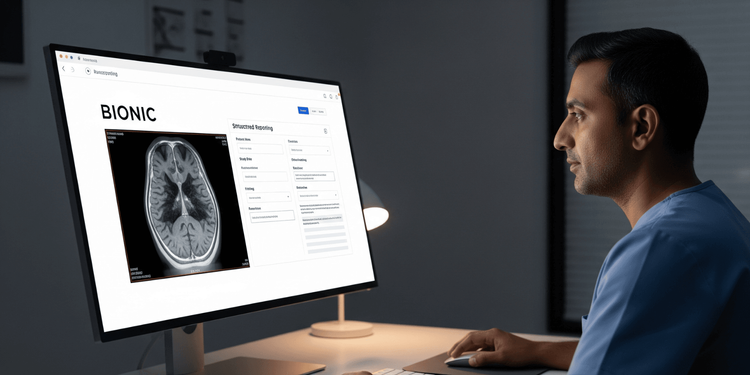
How Bionic AI Transforms Radiology Reporting Workflow
Bionic AI structures radiology reports; faster clinical decisions.
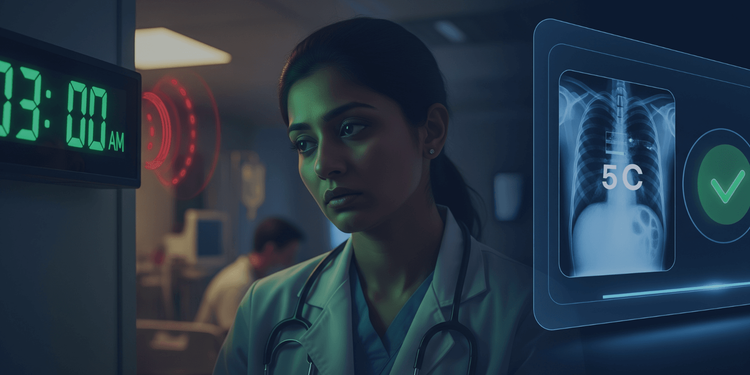
How 5C Streamlines Night Reporting for Emergency Department
5C AI ensures guaranteed emergency radiology TAT, 24/7.
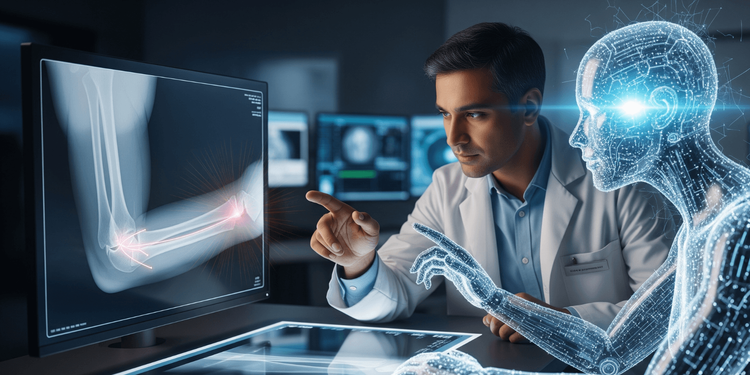
How AI Detects Missed Fractures in Musculoskeletal Radiology
BionicLM AI finds subtle missed fractures, bone lesions, fast.

What Are the 10 Real-World AI Applications in Healthcare
5C AI finds missed fractures, brain bleeds; speeds critical care.
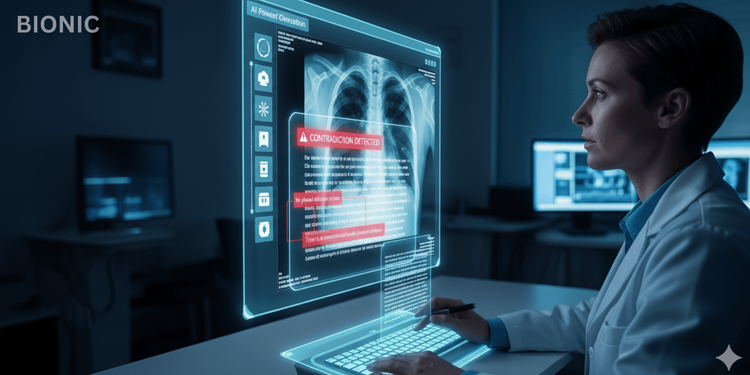
How Does Bionic AI Eliminate Report Contradictions in Radiology
Bionic AI ensures clean, fast radiology reports; prevents errors.
Why Most Hospital AI Pilots Never Scale (And What To Do About It)
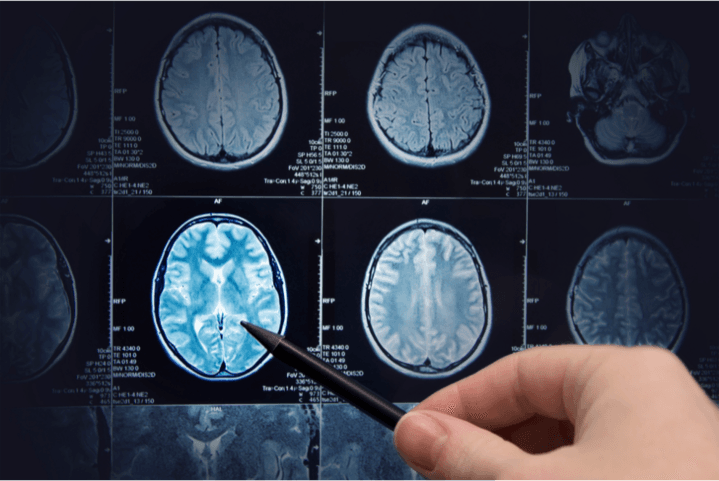
The pattern is predictable. A hospital signs up for an AI pilot. The vendor installs the software. A few radiologists try it. Three months later, the pilot ends quietly. No scale. No integration. No ROI.
After Reporting 8.5 Mn Radiology Reports, Here's How 5C Network has Built the Future of Radiology Reporting
Healthcare industry in India is experiencing significant expansion across various domains, notably radiology. The evolving trends and advancements in technology unveils the immense potential within this sector.
149 Diagnostic Centers & Hospitals Have Increased Their Revenue By 87%. Here's How
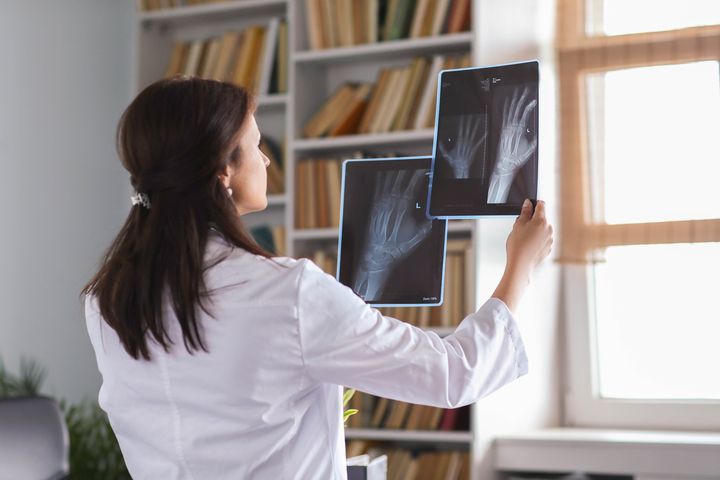
Did you know that a key image in a radiology report can dramatically change a patient's treatment plan and boost your diagnostic center's revenue?

How is Digital Diagnostics Delivery Different from Teleradiology?
The pace of technological developments within the medical imaging and diagnostics industry has quickened in recent years and will continue to do so. The introduction of new products, technologies, and services has all contributed to this trend. Furthermore, digital technologies have transformed the healthcare industry. One of the most significant changes has been the shift toward digital diagnostics delivery and teleradiology. While both approaches involve the use of technology to facilitate medical diagnosis and treatment, there are major differences between the two.

How can Teleradiology be Used for Second Opinions?
With the development of communication technologies and the ability to transmit images from a computer to distant locations in a short time, teleradiology is becoming a more common solution for the interpretation of diagnostic images. Teleradiology offers several benefits, including efficient management of high-volume scans, rapid interpretations, and support for nighthawk services. However, there is another significant advantage that teleradiology can provide: the ability to obtain a valuable second opinion.

5 Reasons Why Teleradiology Platforms Should Have AI-Powered Speech Recognition Feature
Today, artificial intelligence is in the midst of a revolution. From Microsoft's ChatGPT to Google's Alpha Code, there are numerous generative AI platforms with a vast array of use cases. The near future will see us increasingly leverage these technologies to build automated, autonomous, and robust enterprises or workflows. So, how will we harness these innovations for an overworked yet absolutely critical sector—healthcare?

5 Advantages of Leveraging Teleradiology Services
Medical practices are constantly evolving and improving, not just in terms of medication and treatment options but also in terms of hospital and medical facility procedures. These changes have the potential to bring about more revenue as well as better care for patients. One option many medical facilities are taking advantage of is partnering with an experienced teleradiology group since such a partnership can provide numerous benefits.
No blogs found
Try adjusting your search or filter criteria.