Why Healthcare Facilities Are Choosing Teleradiology Services

The Shift Toward Smarter Healthcare Operations
Medical practices are constantly evolving, not just in medication and treatment options but also in operational efficiency and facility procedures. These changes drive increased revenue while delivering better patient care outcomes. One strategic transformation many healthcare facilities are embracing is partnering with experienced teleradiology providers—a decision offering substantial clinical and operational advantages.
Outsourcing radiology services ensures accurate and timely interpretations of medical scans, backed by cutting-edge technology and professional expertise. What began as small-scale outsourcing for limited needs has evolved into comprehensive partnerships. Medical practices now delegate the bulk of their radiology requirements across all imaging modalities because it consistently helps diagnostic establishments raise their standards of patient care.
Fortune Business Insights predicts the global teleradiology market will reach $65.21 billion by 2026, growing at a remarkable 23.8% CAGR. This explosive growth reflects healthcare's recognition that teleradiology has become essential infrastructure for modern medical operations.
What Is Teleradiology
Teleradiology is the electronic transmission of radiological images from one location to another for expert interpretation and diagnosis. Using secure digital platforms, medical images including X-rays, CT scans, MRIs, and ultrasounds are sent to board-certified radiologists who review the studies and provide detailed diagnostic reports back to referring physicians.
This technology bridges geographical gaps and time zone differences, ensuring expert radiology services remain accessible regardless of location or hour. Modern teleradiology platforms integrate seamlessly with hospital systems, creating unified workflows where images flow automatically to radiologists and reports return directly to ordering physicians without manual intervention.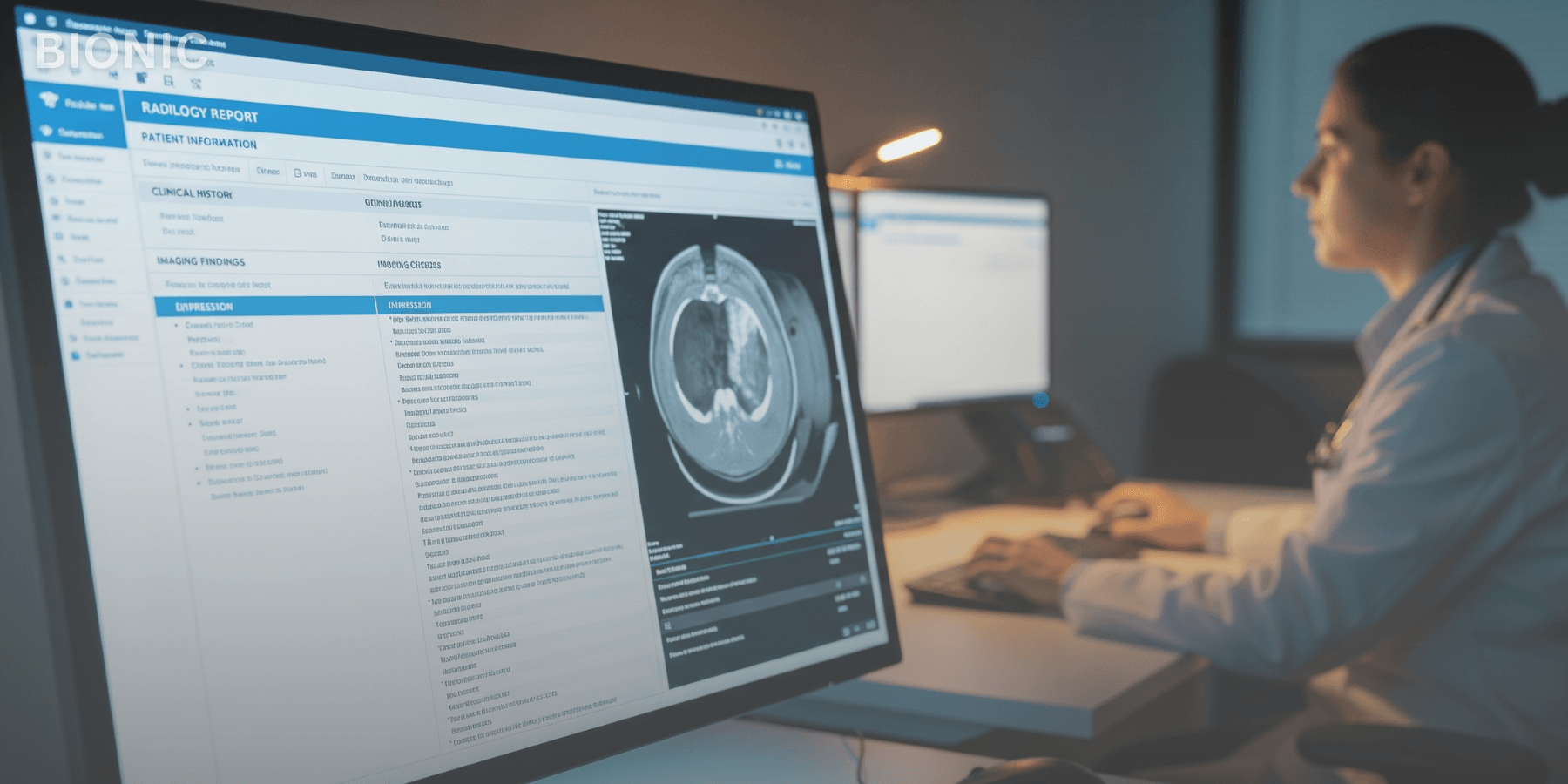
Why Are Medical Facilities Outsourcing Radiology
The healthcare industry faces persistent challenges that make teleradiology increasingly necessary. Radiologist shortages affect facilities nationwide, with recruitment timelines often stretching 6-12 months. Meanwhile, imaging volumes continue rising as scanning technology improves and clinical protocols increasingly rely on diagnostic imaging.
Facilities struggle to expand radiologist capacity proportionally to demand. Emergency departments require stat reads within minutes for stroke protocols and trauma cases. Outpatient centers need consistent interpretation services without the overhead of full-time employment. Rural hospitals cannot attract radiologists to remote locations. Teleradiology addresses all these challenges simultaneously.
The primary reasons driving this remarkable market growth include round-the-clock availability, advanced technology infrastructure, quality assurance processes, significant cost savings, and workflow customization capabilities.
Does Teleradiology Provide 24/7 Coverage
By outsourcing radiology services, healthcare facilities gain comprehensive 24/7/365 coverage including night coverage, weekend coverage, and holiday coverage. This applies whether you operate a hospital, diagnostic center, urgent care facility, or outpatient imaging center. You can rely on teleradiology platforms around-the-clock for quality imaging interpretation and urgent diagnostic services.
Reputable teleradiology companies maintain staffing flexibility specifically designed to accommodate after-hours requirements. This ensures patient care is never compromised by coverage gaps. Radiologists distributed across time zones provide fresh, alert coverage during all hours rather than relying on exhausted on-call physicians working overnight after full daytime schedules.
In case of emergency situations involving stroke, trauma, or acute conditions requiring immediate intervention, you can expect turnaround times as fast as 15-30 minutes even during evening hours. This rapid response capability directly impacts patient outcomes by enabling time-sensitive treatment decisions without delay. For routine studies, typical turnaround times range from 2-4 hours with flexibility to prioritize urgent cases based on clinical need.
How Do Teleradiology Providers Ensure Quality
Teleradiology service providers implement well-organized, systematic processes designed to consistently meet turnaround time commitments while maintaining the highest diagnostic accuracy standards. Record-keeping processes are meticulous and diligent, providing comprehensive backup systems for medical emergencies, peer review activities, and legal documentation requirements.
Quality assurance is built into every level of service. Teleradiology companies provide continuing medical education to their entire pool of radiologists, who must stay current with the latest imaging technology, updated diagnostic criteria, and evolving interpretation protocols. These professionals undergo regular peer review, competency testing, and performance evaluations to ensure they deliver board-certified expertise consistently.
The radiologists are tested regularly for their upgraded skills and knowledge. Many teleradiology providers maintain subspecialty-trained radiologists in areas including neuroradiology, musculoskeletal imaging, cardiac imaging, and pediatric radiology. This subspecialty depth often exceeds what individual facilities can staff internally, giving referring physicians access to expertise previously available only at major academic centers.
What Technology Powers Teleradiology Services
Large teleradiology companies depend on state-of-the-art technology to provide seamless diagnostic services. Cloud-based Picture Archiving and Communication Systems (PACS) represent the cornerstone of modern teleradiology infrastructure. This system offers unmatched efficiency and equips your practice with report availability at any time and on any device—whether clinicians are in hospitals, clinics, or accessing systems remotely.
A further benefit of PACS technology is that it allows for quick retrieval of images along with interpretations and related historical data. This eliminates the usual time delays and physical hindrances associated with traditional image distribution methods. PACS systems are well-equipped to handle images from different types of medical imaging tools such as MRI, CT, ultrasound, X-ray, mammography, and nuclear medicine studies.
The unified platform creates comprehensive diagnostic capabilities without technology silos requiring separate systems for different modalities. Advanced features include three-dimensional reconstruction, precise measurement tools, and integrated reporting systems where radiologists dictate findings directly into the platform. Security and HIPAA compliance are fundamental, with encryption protecting data during transmission and storage, audit trails documenting every access, and multi-factor authentication ensuring only authorized personnel view patient information.
Is Outsourcing Radiology Cost-Effective
Outsourcing radiology services is a highly cost-effective solution that allows images to be transferred to and from a central location efficiently. This eliminates the need for expensive printing, packing, and shipping of film—costs that accumulate significantly over time for high-volume imaging centers. It also eliminates the need for on-site staffing, which can be extremely costly in many cases.
The financial advantages extend far beyond eliminating film costs. Full-time radiologist employment includes base salaries typically ranging from $350,000-$500,000 annually, plus benefits, malpractice insurance, call coverage premiums, continuing education expenses, licensing fees, and administrative support. Total compensation per radiologist often exceeds $600,000 annually for many facilities.
Teleradiology converts these fixed costs to variable costs aligned with actual imaging volume. Facilities pay only for interpretations performed rather than maintaining expensive staffing capacity for fluctuating demand. During slow periods, costs decrease proportionally. During volume surges, additional capacity is instantly available without overtime premiums or lengthy recruitment processes.
This cost-effective technology is ideal for clinics and hospitals that wish to outsource their radiology services, as well as private practitioners who do not wish to hire additional staff members. Small practices cannot justify full-time radiologist employment for limited volumes, while large hospital networks use teleradiology for after-hours coverage, overflow capacity, and subspecialty consultations.
Can Teleradiology Reports Match Your Workflow
A teleradiology outsourcing partner provides standardized, structured reports of radiology images that can be adjusted to fit your clinic's workflow seamlessly. These reports help improve patient outcomes by providing a structured method to present radiology findings that referring physicians can quickly understand and act upon.
An experienced teleradiology service provider will offer you a wide range of reporting templates to choose from across different specialties and imaging modalities. They also assist you in developing templates customized to your specific needs, streamlining data capture and maximizing efficiency. This customization ensures that radiologists new to your facility produce reports indistinguishable from those generated by long-time staff physicians familiar with your institutional standards.
The flexibility extends to critical results communication protocols. Teleradiology providers implement your facility's policies for immediately notifying ordering physicians about urgent findings via phone calls, text messages, or system alerts. This ensures critical information reaches clinicians without delay, maintaining patient safety while respecting your established procedures.
Templates can incorporate facility-specific terminology, reporting conventions, and formatting matching your existing systems. This seamless integration means no workflow disruption or learning curve for your clinical staff when transitioning to teleradiology services. READ MORE ABOUT AI-Powered Radiology QA
Who Benefits Most from Teleradiology
Emergency departments benefit enormously from teleradiology's rapid response capabilities. Stroke protocols require CT interpretation within 15 minutes of imaging completion to enable thrombolytic therapy within critical treatment windows. Trauma cases need immediate reads identifying life-threatening injuries requiring surgical intervention. Teleradiology platforms staffed for stat responses make these demanding timelines achievable consistently.
Outpatient imaging centers often lack on-site radiologists, making teleradiology essential for their operations. The service enables these centers to offer comprehensive diagnostic imaging without the overhead of full-time radiologist employment, expanding access to advanced imaging in community settings where it's most convenient for patients.
Rural and critical access hospitals struggle recruiting radiologists to remote locations due to limited amenities and professional isolation. Teleradiology provides these facilities with expert interpretation services matching those available at urban academic centers, reducing healthcare disparities between metropolitan and rural populations.
Subspecialty consultations represent high-value applications where primary radiologists encounter complex cases benefiting from additional expertise. When faced with challenging pediatric imaging, intricate neuroradiology, advanced cardiac MRI, or rare conditions, teleradiology networks provide immediate access to fellowship-trained specialists who might not be available locally.
How Quickly Can Implementation Happen
Unlike major technology implementations requiring months of planning and system installations, teleradiology platforms integrate rapidly with existing infrastructure. Most facilities achieve full operational status within 2-4 weeks from contract signing, making this an attractive solution for urgent coverage needs.
The implementation process begins with technical integration connecting your PACS to the teleradiology platform. Modern systems use standard protocols requiring minimal IT configuration—often simply adding the teleradiology PACS to your image routing rules rather than installing new software. Radiologist credentialing proceeds in parallel, with most hospitals completing facility-specific verification within the same timeframe.
Training requirements are minimal because teleradiology operates transparently within existing workflows. Technologists continue scanning studies normally while images automatically route to teleradiology radiologists based on time of day or study type. Ordering physicians receive reports through existing systems without workflow changes. This seamless integration means staff adoption happens naturally without resistance or confusion.
What Results Can You Expect
Healthcare facilities implementing teleradiology services typically observe measurable improvements immediately. The most significant impacts include continuous 24/7/365 availability eliminating coverage gaps, turnaround times of 15-30 minutes for stat cases and 2-4 hours for routine studies, and cost savings of 30-40% reduction in radiology staffing overhead.
Volume capacity often increases by 25-50% without facility expansion as teleradiology eliminates interpretation bottlenecks. Facilities gain subspecialty access to expert consultations previously unavailable locally. Recruitment pressure eases dramatically as urgent radiologist hiring needs are eliminated. Patient satisfaction improves through faster diagnosis and treatment initiation.
These metrics demonstrate teleradiology isn't merely a convenient backup option—it's essential infrastructure for modern healthcare operations facing increasing imaging volumes, persistent radiologist shortages, and elevated patient expectations for immediate, high-quality care.
READ MORE ABOUT What Is Digital Diagnostics Delivery and How Does It Differ from Teleradiology