How Music Therapy Improves Radiology Patient Experience
Why Music Matters in Healthcare
Music is found in every culture and has been used by humans for thousands of years. Our ability to create, interpret, and enjoy music is built into our anatomy. Music has a positive effect on mood, boosting concentration and memory while helping people cope with stress better.
In a study published in Brain: A Journal of Neurology, researchers found that music helped stroke patients with verbal memory and focus. The findings also showed that music lessened depression and confusion. These effects aren't just emotional—they're measurable changes in how our brains and bodies function.
What Is Music Therapy
The American Music Therapy Association reports that music can reduce pain, stress, and anxiety, creating measurable physiological changes including lowering blood pressure, improving heart function, reducing heart rate, and relaxing muscle tension. Music therapy is low-cost, non-invasive, and has no side effects.
Brain imaging studies show that listening to music activates the brain's reward centers, triggering dopamine release. This explains why music makes us feel better during stressful situations like medical procedures.
Why Use Music During Medical Procedures
Research shows that playing music helps in pediatric procedures and helps adults by masking anxiety-inducing sounds like surgical instruments or monitor beeping. Music helps people feel more secure and normal in stressful hospital situations.
Patients who can choose their own music during procedures feel they have more control during their hospital or diagnostic center visit. This sense of control reduces anxiety and improves the overall experience.
Does Music Therapy Work in Radiology
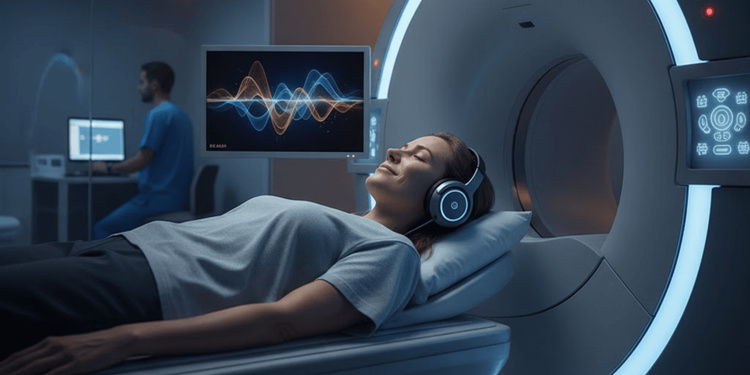
According to a National Library of Medicine study, patients undergoing interventional radiology procedures were split into two groups. The intervention group received music of their choice via headphones during the procedure, while the control group did not.
Blood pressure and pulse rate were monitored to measure anxiety levels. The study found that music therapy significantly reduced sedation requirements during procedures. Patients who listened to music needed less medication to stay calm and comfortable.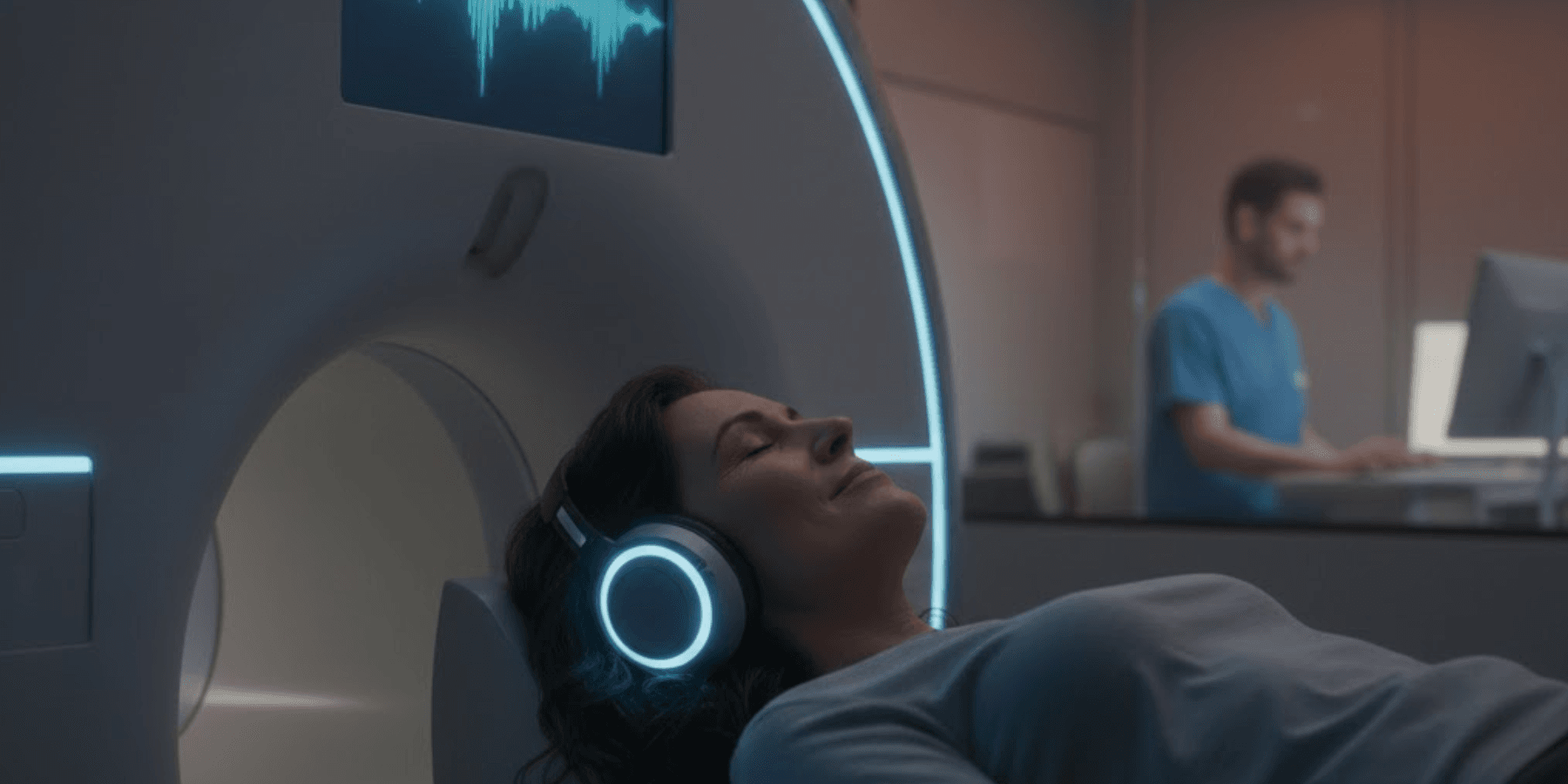
How Does Music Make Procedures Safer
Music during interventional radiology minimizes sedation risks and makes procedures safer. Less sedation means fewer medication-related risks like respiratory problems, cardiovascular complications, and slower recovery times.
Calmer patients also have more stable vital signs, making it easier for radiologists to perform procedures smoothly. The patient experience becomes more pleasant, leading to better satisfaction and willingness to return for necessary follow-up imaging.
What Are the Benefits
Music therapy delivers measurable results during radiology procedures. Studies show blood pressure reductions of 10-15 mmHg and heart rate decreases of 5-10 beats per minute. These changes make procedures easier and safer, especially for patients with existing heart conditions.
Muscle tension decreases when patients listen to music, making positioning easier and improving image quality. Patients stay calmer, follow instructions better, and experience less post-procedure discomfort.
Who Benefits Most
Pediatric patients benefit greatly from music therapy as it provides distraction and comfort in scary medical settings. Children often need less sedation when music is used, reducing medication risks.
Patients with claustrophobia during MRI scans find music especially helpful. It masks loud machine noises and provides a focus point, helping anxious patients complete scans successfully.
Elderly patients respond well to familiar music from their youth, which provides comfort during confusing medical experiences. Patients undergoing lengthy procedures benefit from music making time pass more quickly.
What Type of Music Works Best
The most effective music is patient-selected. Personal preferences vary widely, and music that soothes one patient might irritate another. Giving patients control over their music enhances both the therapeutic effect and their sense of autonomy.
Research suggests slow, harmonic songs with 60-80 beats per minute are most effective for reducing anxiety. However, some patients prefer upbeat tracks for energizing distraction. The key is personalization—familiar, beloved music often works better than generic "relaxing" music.
Easy Implementation
Implementing music therapy requires minimal investment—quality headphones, a music device, and curated playlists. Many departments use streaming services, eliminating the need for physical music libraries.
Staff training takes only 30-60 minutes and focuses on offering music to patients, helping them make selections, and managing volume levels. The cost savings from reduced sedation often exceed program expenses immediately.
Access Prodigi's Patient-Centered Music Therapy
Prodigi's patient-centric approach includes carefully designed Spotify playlists created with patients in mind. Our playlists blend slow, harmonic songs with upbeat tracks, providing options for different preferences and procedure types.
Music therapy helps patients counteract anxiety and discomfort during diagnostic imaging. Our team continuously updates playlists based on patient feedback and clinical research.
RECOMMENDED READING
Multimodal AI Systems for Comprehensive Medical Imaging Analysis